
Utah Storm Damage Roofing — From Free Inspection to Full Restoration
Utah weather doesn't negotiate. When hail, canyon winds, or a heavy snow load hits your home, the damage isn't always visible from the driveway — but it's real, and it compounds fast. We're former insurance adjusters turned local roofers, and we know exactly what storm damage looks like, what insurers look for, and how to get your roof restored the right way.
Related Services
What Utah Storms Actually Do to Your Roof
Most homeowners walk outside after a storm, look up, and see nothing obviously wrong. That's not reassurance — that's the nature of storm damage in Utah. Hail bruising and granule loss happen at the shingle surface level, invisible from the ground but clearly visible to a trained eye and a drone camera. Wind-lifted shingles from canyon airflow can crease and crack without fully detaching. Ice dams and snow-load stress fracture decking and underlayment in ways that only show up months later as interior water damage.
How We Handle Storm Damage Restoration — Start to Finish
We built our process around one reality: most homeowners have never filed a storm damage claim before, and most roofing companies can't explain what happens after they leave your driveway. We can, because we've sat on both sides of the table.
Step 1 — Free Post-Storm Inspection
We come out, get on your roof, and inspect every slope. We bring drone equipment to document areas that are difficult or unsafe to access by foot. You get real answers, not a vague estimate and a handshake.
Step 2 — Photo and Drone Documentation
Our inspection produces a complete record: ground photos, drone footage, and written notes on every damage point. This documentation is built to be claim-ready — formatted the way adjusters review it, not the way contractors typically hand it over.
Step 3 — Insurance Claim Filing Support
We walk you through the claim filing process and help you understand what your policy covers before you submit anything. As former insurance adjusters, we know what a complete, well-supported claim looks like — and what gets flagged or underpaid.
Step 4 — Adjuster Meeting, On-Site
When your insurer sends an adjuster, we're there. We walk the roof with them, reference our documentation, and make sure nothing is missed or minimized. This is where our background makes the most direct difference for homeowners.
Step 5 — Approved Scope Review
Once your claim is approved, we review the scope of work with you line by line. If anything was missed or undervalued, we know how to address it before restoration begins.
Step 6 — Roof Restoration
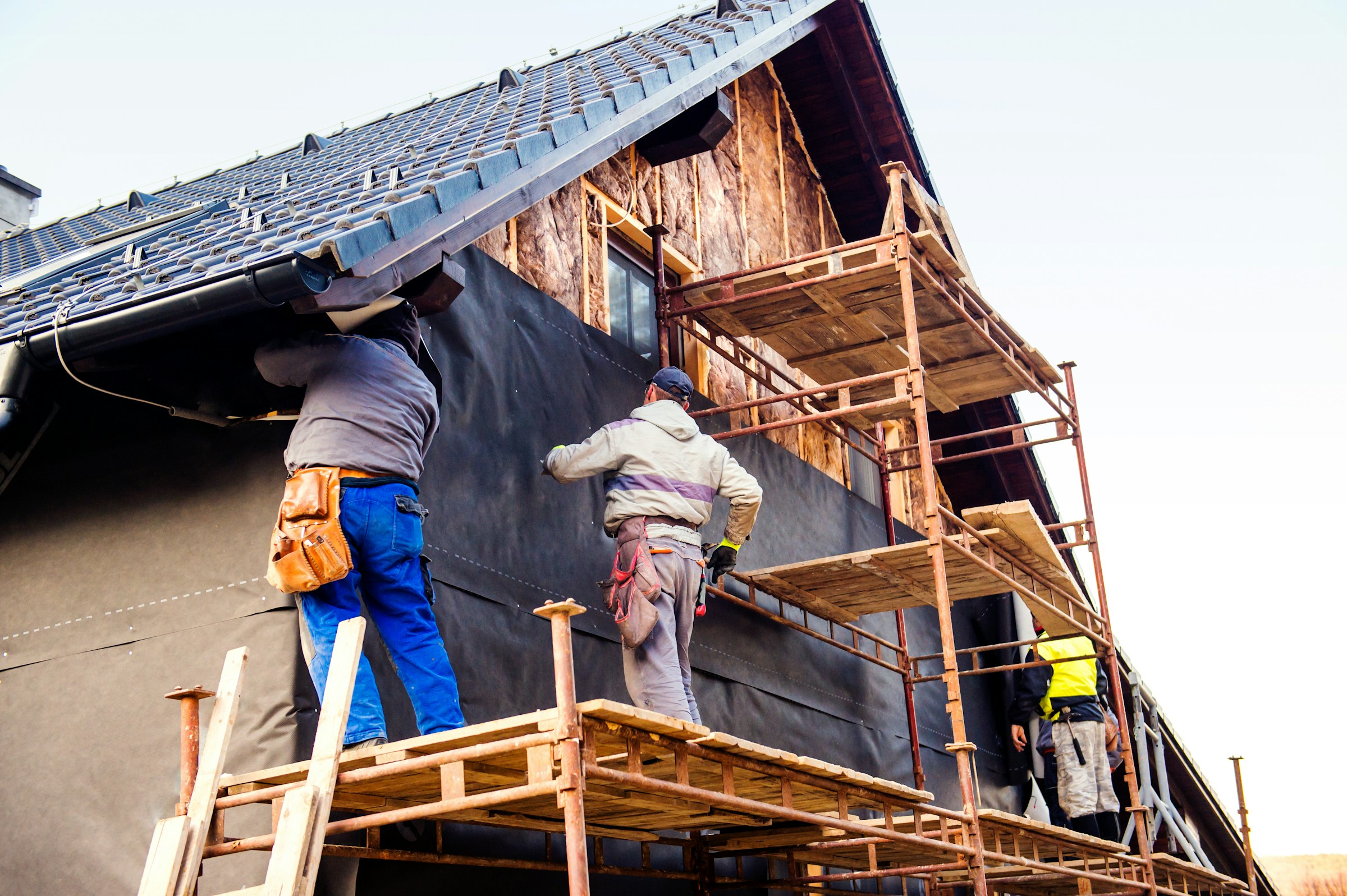
We complete the restoration using materials from GAF, CertainTeed, and IKO — manufacturers we're certified with — and back every job with our 10-year workmanship warranty. The work is done by our crew, not subcontracted out.
The Three Damage Types Utah Homeowners Miss Most
Utah's climate creates storm damage patterns that differ from what most national roofing guides describe. Here's what to watch for after any significant weather event:
- Hail bruising and granule loss: Even small hail knocks granules off asphalt shingles, exposing the mat underneath to UV degradation. The damage is cumulative and often invisible from the ground until the shingle fails.
- Wind crease and lift from canyon airflow: The Wasatch Front's canyon wind events can get under shingle edges and crease them without full detachment. Creased shingles lose their seal and allow water infiltration at the next rain.
- Ice dam and snow-load stress: Heavy snow accumulation and freeze-thaw cycles create ice dams at the eave line that force water back under the shingles. The resulting damage often appears as interior ceiling staining weeks after the storm.
Why Out-of-State Storm Chasers Are a Real Risk
After every significant hail or wind event in the Salt Lake metro, out-of-state roofing crews show up in force — knocking on doors, offering fast quotes, and pressuring homeowners to sign before the storm is even a week old. Some do adequate work. Many don't. And when problems surface six months later, they're gone.
We're based in Eagle Mountain. We've been serving Salt Lake, Utah, and Tooele Counties since we opened, and we'll be here for every storm season that follows. Our A+ BBB rating and 400+ five-star Google reviews reflect work done for neighbors — not transient storm-season volume. Our 10-year workmanship warranty means something because we're local enough to honor it.
Get a Free Storm Damage Inspection — No Pressure, Real Answers
If your home was in the path of a recent storm, the right move is a professional inspection before you decide anything else. We'll document what we find, walk you through your options, and help you understand what your insurance policy covers. There's no cost and no obligation.
Real Feedback from Across the DMV
Serving Homeowners Across Salt Lake, Utah, and Tooele Counties
When a storm rolls through Salt Lake, Utah, or Tooele County, we're already in your area — not driving in from out of state. We serve homeowners across the Wasatch Front and surrounding communities, including Eagle Mountain, Lehi, Saratoga Springs, Provo, Sandy, West Jordan, Herriman, South Jordan, and Tooele. If your home took a hit from hail, wind, or heavy snow, our team of former insurance adjusters and certified roofing professionals is ready to inspect, document, and restore — with no pressure and no cost to get started.
Frequently Asked Questions About Storm Damage Roof Repair
How do I know if hail damaged my roof?
Hail damage to asphalt shingles often isn't visible from the ground. The most reliable signs are granule loss in your gutters and downspouts, soft spots or bruising on the shingle surface, and dents on metal components like vents, flashing, and gutters. A professional inspection with drone documentation is the only way to get a complete picture — and ours is free.What should I do after a windstorm hits my roof?
Don't wait to see if a problem develops. Document any visible damage with photos from the ground, check your attic for daylight or moisture, and call us to schedule a free inspection. Wind damage that looks minor from the street — creased shingles, lifted edges — can allow water infiltration at the next rain event.How long do I have to file a storm damage insurance claim in Utah?
Most Utah homeowner policies require you to file within one year of the damage event, but policy language varies. Filing sooner is always better — delayed claims can be disputed on the grounds that additional damage occurred after the storm. We recommend scheduling an inspection within days of any significant weather event.Will my insurance cover a full roof replacement after storm damage?
It depends on your policy, the extent of the damage, and your deductible. Many Utah homeowners are surprised to find their damage qualifies for a full replacement rather than a patch repair. We review your documentation and attend the adjuster meeting to make sure the scope is assessed accurately.Is there a free storm damage roof inspection near me in Utah?
Yes. We offer free storm damage inspections across Salt Lake County, Utah County, and Tooele County, including Eagle Mountain, Lehi, Saratoga Springs, Sandy, West Jordan, Herriman, South Jordan, Provo, and Tooele. We bring drone equipment to every inspection and provide photo documentation at no cost.