
What Makes a Roof Energy Efficient in Utah?
Jeff Rasmussen
Nov 18 2026 14:00
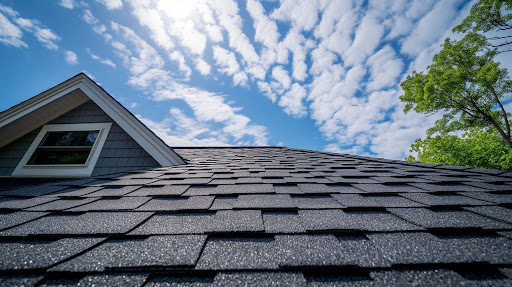
An energy-efficient roof is about more than selecting a light-colored shingle or reflective roofing material. The strongest results come from a complete system: effective attic insulation, balanced ventilation, and a roofing material suited to the home.
For homeowners in Salt Lake, Utah, and Tooele Counties, understanding how these pieces work together can make it easier to prioritize improvements before scheduling a roof replacement. BigFoot Roofing & Gutters helps homeowners look beyond the surface of the roof so they can invest in upgrades that support comfort and long-term performance.
If your goal is to reduce energy waste and maintain a more consistent indoor temperature, start with the areas that have the greatest influence on your home’s thermal performance.
Begin With Attic Insulation
The most important energy-saving component associated with a roof is often located below the roof deck: attic insulation. While roofing materials are visible from the street, insulation plays a major role in slowing heat transfer between the attic and the living areas below.
Many homes built before 1990 do not have insulation levels that align with current performance expectations. Even where insulation exists, it may have settled over time, become compressed, or contain gaps that reduce its ability to do its job.
When attic insulation is insufficient, warmth can escape through the ceiling during colder weather. In warmer conditions, excess attic heat can move downward into the home. Both situations can make heating and cooling systems work harder to maintain a comfortable temperature.
Improving attic insulation can deliver a more meaningful reduction in energy loss than changing roofing materials alone. It may not be the most noticeable upgrade, but it is often one of the most practical places to begin when evaluating roof energy efficiency.
Ventilation Helps the Entire System Perform
Insulation cannot work at its best without proper attic ventilation. These two parts of the roofing system should be evaluated together, especially when homeowners are considering roof replacement in Utah or trying to improve year-round comfort.
A well-ventilated attic uses balanced intake and exhaust ventilation to keep air moving through the space. When that airflow is missing or unbalanced, heat can build up in the attic. During hot weather, that trapped heat may radiate into the rooms below and increase the demand on the air-conditioning system.
Ventilation also supports the roof itself by helping manage attic temperatures. This can reduce unnecessary stress on roofing materials while allowing insulation to perform more effectively.
Rather than treating ventilation as an unrelated add-on, it should be part of any thorough roof evaluation. BigFoot Roofing & Gutters considers attic airflow alongside the roofing material and insulation so homeowners can see how the full system is functioning.
How Cool Roofing Materials Contribute
Cool roofing products are designed to take in less heat from direct sunlight. Options can include cool-colored asphalt shingles, reflective metal roofing, tile roofing, and vegetated roofing systems.
Because these materials reflect more sunlight than conventional roofing products, they can limit heat buildup at the roof surface. This may reduce cooling demand during warm weather and help create a more comfortable indoor environment.
Still, reflective shingles or other cool roof products are not a complete answer on their own. If the attic lacks sufficient insulation or balanced ventilation, a new reflective roof may not create the energy savings a homeowner expects.
It is more accurate to think of cool roofing as an added benefit built on a solid foundation. Once insulation and ventilation are addressed, the right roofing material can further support the home’s energy performance.
Metal Roofing Combines Durability and Efficiency
Homeowners planning a new roof installation in Utah may also want to consider metal roofing. Reflective metal systems offer durability while helping limit solar heat absorption.
Metal roofing reflects sunlight and releases absorbed heat quickly, allowing it to perform well in a range of conditions. In many installations, the roofing design also creates an air gap that can contribute to better thermal performance throughout the year.
A metal roof generally costs more initially than an asphalt shingle roof replacement. However, its longevity and relatively low maintenance needs can make it an appealing option for homeowners who value long-term durability as well as improved energy efficiency.
As with every roofing choice, metal performs best within a complete system. Quality attic insulation and adequate ventilation remain essential, whether the home has asphalt shingles, standing seam metal roofing, or another roofing material.
Prioritize Improvements in the Right Order
Each component of a residential roofing system affects the others. Focusing on one product alone can overlook the conditions that may be causing energy waste in the first place.
For many homes, the most practical sequence is:
- Confirm that the attic has insulation capable of meeting current performance expectations.
- Make sure attic ventilation provides balanced airflow through the space.
- When a roof replacement is already planned, explore cool roofing materials or reflective metal options that complement those improvements.
This order lets each improvement reinforce the next. Instead of expecting a single roofing product to solve every comfort concern, homeowners can create a system that works more effectively as a whole.
It also helps ensure that money spent on roof replacement, metal roofing, or other upgrades is directed toward improvements that can make a real difference.
Evaluate Your Roof Before Making Major Changes
No two homes have exactly the same needs. One property may benefit most from additional attic insulation, while another may need ventilation improvements before a new roofing material becomes the next logical step.
Before committing to a major upgrade, it is helpful to understand the current condition of the roofing system. A professional roof inspection can identify whether insulation, ventilation, roofing materials, or a combination of factors should be the priority.
BigFoot Roofing & Gutters is a family-owned roofing company based in Eagle Mountain and serving homeowners throughout Salt Lake, Utah, and Tooele Counties. Whether you are considering a roof replacement in Salt Lake City, exploring metal roofing, or simply want a clearer picture of your roof’s condition, our team can help evaluate the system as a whole.
Contact BigFoot Roofing & Gutters to schedule a free roof inspection and learn which combination of insulation, ventilation, and energy-efficient roofing options makes the most sense for your home.